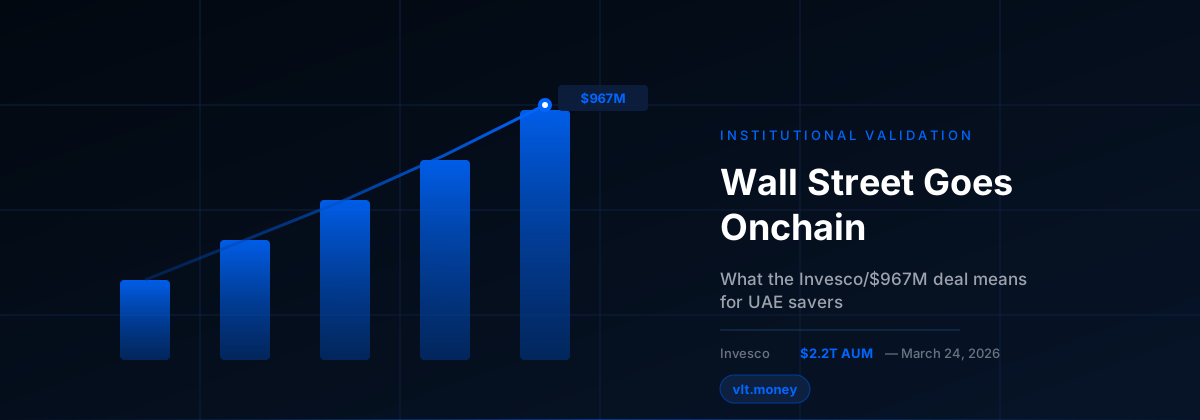
On March 24, 2026, Invesco — the firm managing $2.2 trillion in assets — took over portfolio management of Superstate's USTB fund. A $967M digitally-managed T-bill product, now run by one of the most recognizable names in traditional finance.
This is not a small story.
What Actually Happened
Superstate built a fund that holds US Treasury bills on digital infrastructure. Same T-bills that institutional investors have bought for decades — just tracked and transferred digitally. Invesco now manages the portfolio.
The headline is simple: the world's largest financial institutions have decided digitally-managed funds are real. Not experimental. Not a side project. Real.
Invesco manages money for pension funds, sovereign wealth funds, and family offices. They don't touch products they don't believe in.
Why This Matters (Even If You've Never Heard of Superstate)
The financial world moves in waves. Institutions go first. They have the compliance teams, the risk committees, the lawyers. They spend years deciding before they act.
When they act, it's a signal.
The signal here: money held digitally, earning returns from lending markets, settled on transparent infrastructure — this is now mainstream. Not fringe.
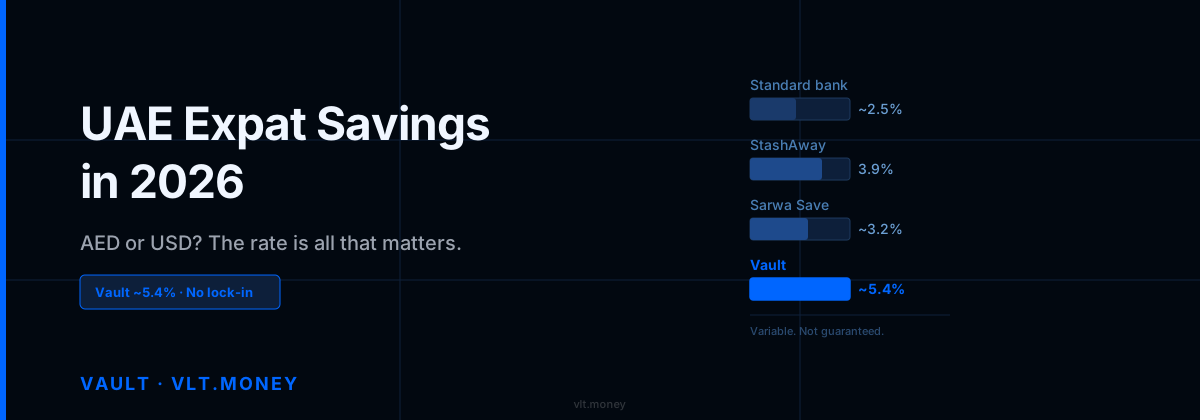
The same mechanics that let Vault earn ~5.4% current for UAE residents are the same mechanics that Invesco and Superstate just validated at institutional scale.
The Gap Superstate Doesn't Fill
Here's where it gets interesting for UAE residents specifically.
Superstate is for Qualified Purchasers. That means institutions and ultra-high-net-worth investors — not you, not your neighbor, not the expat engineer who moved to Dubai last year.
And it's US-accessible only. UAE residents are blocked from accessing Superstate's products entirely.
So the institutional world has validated the category. The technology works. The returns are real. Major firms are betting on it.
But for UAE savers — the 9 million+ expats earning salaries in a currency that earns them nothing sitting in a current account — none of that validation translates into access.
That's the gap.
What It Means in Practice
When a $2.2 trillion asset manager puts its name on a product, the "is this legitimate?" conversation ends. You don't have to explain the technology anymore. You point to Invesco and say: they figured it out first.
For Vault, this is context — not the product itself. Vault is built for UAE residents. No minimum. No lock-in. No specialist knowledge required. Earn ~5.4% current on your savings, withdraw anytime.
The mechanics are different from a T-bill fund. The fees come from borrowers in vetted lending markets, not from government debt. But the core idea — your money earns returns from transparent financial infrastructure — is the same idea that Invesco just put $967M behind.
The UAE Savings Market Is Still Largely Untouched
The average UAE bank account earns close to nothing. Most current accounts pay 0%. Savings accounts at major banks average 1–2%. Even the best fixed deposits require locking up your money for 12 months.
Meanwhile, institutional investors in the US and Europe have had access to better options for years. The technology to offer those options to regular savers now exists. One of the world's largest asset managers just confirmed it works.
UAE residents deserve access to the same category of returns — without the institutional minimums, without the US residency requirement, without the complexity.
That's what Vault is building.
Join the waitlist at vlt.money
Vault earnings are fees paid by institutional borrowers — not guaranteed returns. Rates are variable. Vault is in the process of obtaining ADGM regulatory approval.