The silent wealth drain
A Yonder/Gulf News survey published in early 2026 found that 57% of UAE residents list saving as their number one financial goal this year. For the second year in a row.
Not cutting spending. Not moving somewhere cheaper. Actually saving more.
But here's the problem most people with that goal run into: the default savings account is quietly working against them.
Standard flexible savings accounts at UAE banks pay 1–2%. UAE inflation runs at around 2.3%. Current accounts earn even less — often 0% to 0.5%.
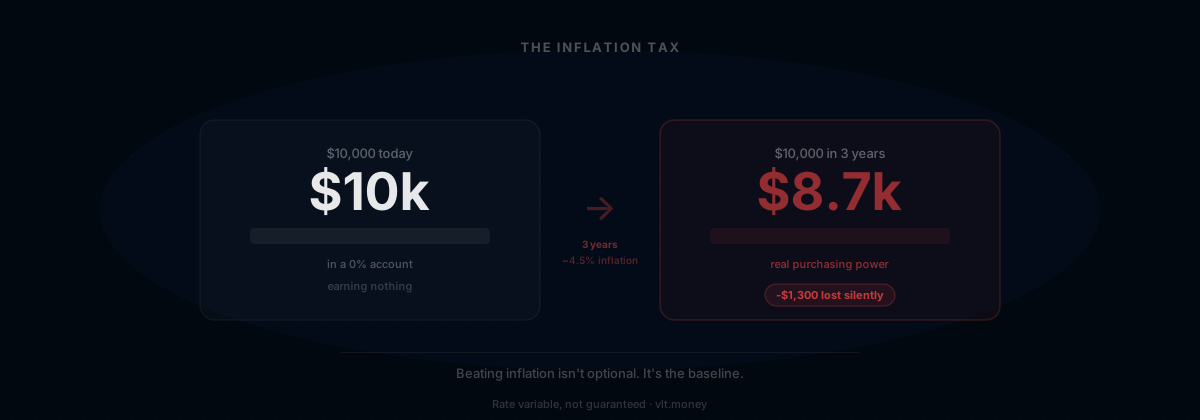
The math is simple: if your money grows at 1% but your cost of living grows at 2.3%, you're losing purchasing power every year. You're saving, but falling behind.
On $50,000, that gap is over $650 in lost real value annually. Add up two or three years of that and the number becomes significant — not because anything dramatic happened, but because the baseline rate was too low to keep pace.
Where does the rest of the money go?
Your bank isn't keeping your deposits idle. It lends your money to businesses, property buyers, and institutions — and collects 4–8% on those loans. The difference between what they earn and what they pay you is how banks generate billions in profit.
This isn't hidden. It's just not advertised.
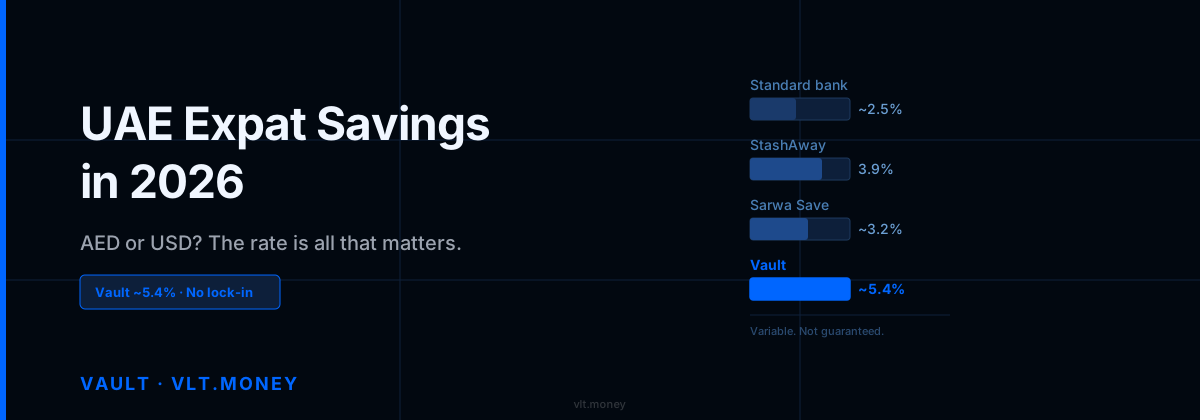
FAB's iSave currently offers 4% on new funds until June 30, 2026 — but standard FAB flexible savings sit at around 2.5% for most users. The best no-condition, no-lock-in alternatives are StashAway Simple (3.6%) and Wio's flexible account (3.25% AED). These are genuinely better than the standard bank account. But none of them clear inflation by a meaningful margin.
Optimise, don't sacrifice
The same survey described UAE expats as "more selective, not restrictive." People here don't want to cut their lifestyle. They want to get more out of the money they're already setting aside.
That's a meaningful distinction. The goal isn't frugality — it's making sure the savings you do manage to put away are actually working.
If your savings are in a standard bank account earning 1%, you're not being cautious. You're being robbed slowly, by a mechanism that's quiet enough to ignore.
The new alternative
Fintech infrastructure built on transparent lending markets has made it possible for individuals to participate in the same markets banks access — without any technical setup or complexity.
At Vault, your deposits are deployed into vetted, institutional-grade lending markets. Borrowers pay fees to access capital. Those fees are passed to you.
The result: ~5.4% earnings (variable, not guaranteed), with no lock-up and no minimum deposit. Against UAE inflation of 2.3%, that's a real return of roughly 3% — not dramatic, but real, and compounding quietly in your favour rather than against you.
What to do with this
You don't need to restructure your finances or move everything at once. The practical approach:
- Keep 1–2 months of expenses in your regular bank account for immediate access
- Move longer-term savings (anything beyond immediate liquidity) to a rate that clears inflation
- Withdraw anytime if you need the funds
The goal isn't to take on risk. It's to stop leaving money on the table while you pursue the financial goal that 57% of your neighbours already share.
Join the waitlist at vlt.money
Vault earnings are fees paid by borrowers for access to capital — not guaranteed returns. Rates vary with market conditions. Withdrawals processed within 24 hours. Vault is in the process of obtaining ADGM regulatory approval.